If you've started shopping for a home EV charger, you've probably seen the term "Type 2" everywhere. It's one of the most common questions we get asked before EV charger installation even begins.
The short answer: it's about the plug, not the price or the brand. But there's more to a proper EV charger installation than the plug type alone. Getting it wrong can mean a charger that's the wrong fit for your home.
What Does "Type 2" Actually Mean?
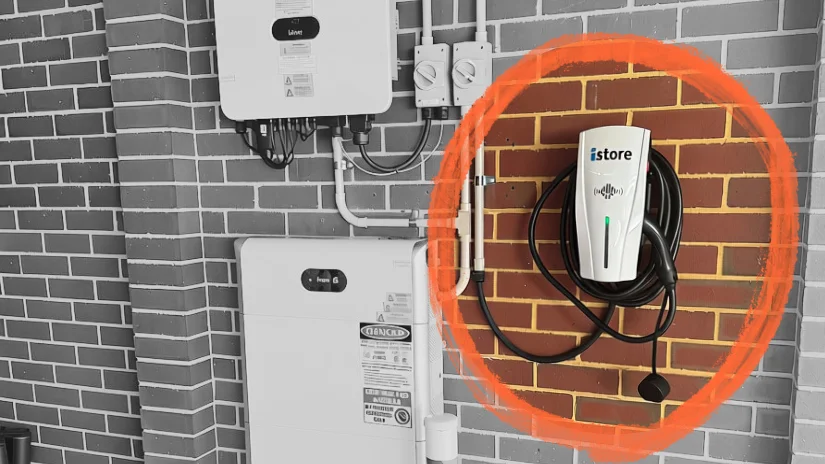
Type 2 refers to the connector standard used for home and public EV charging across Australia. It's the plug shape on the cable that connects your car to the charger.
Almost every EV sold in Australia uses a Type 2 connector for AC charging. This is the standard method for home EV charger installation. It's different from the DC fast-charging plugs at public highway chargers, which use a separate connector entirely.
In practice, most homeowners don't need to worry about matching connector types. What matters more is what's happening behind the wall, on your switchboard.
Before EV Charger Installation: the Switchboard Mistake to Avoid
Many homeowners choose their EV charger based on charging speed or brand, then get in touch about installation afterwards. The trouble is, how fast a charger can run depends on your switchboard and electrical supply, not just the charger itself.
Before EV charger installation, we check for things like:
- Whether your home has single-phase or three-phase power
- How much spare capacity your switchboard has
- Whether you'll need a dedicated circuit for the charger
- The cable run between your switchboard and where the car parks
Skipping this step is how homeowners end up with a charger that can't run at the speed they paid for. Some end up needing a switchboard upgrade they didn't budget for.
A Local Example: Erskine
We're seeing more EV charger installation enquiries from newer estates like Erskine, where double-storey homes and larger switchboards are common. Even so, every home is different.
One recent Erskine job needed a dedicated circuit run from the switchboard to the garage. It also needed a safety switch upgrade before the Type 2 charger could go in. Without that check upfront, the homeowner would have installed a charger that couldn't run safely at full speed.
What a Proper EV Charger Installation Involves
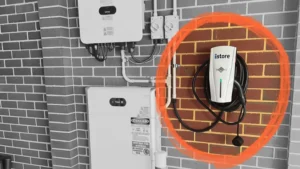
A compliant EV charger installation in WA isn't just mounting a unit on the wall. It needs to meet Australian wiring standards, including a dedicated circuit and RCD safety switch protection for the charger.
Our process generally covers:
- A site assessment of your switchboard and existing circuits
- Confirming single-phase or three-phase capacity for your chosen charger
- Running a dedicated, compliant circuit to the charging point
- Installing and testing the Type 2 charger itself
- Signing off the work to Australian electrical safety standards
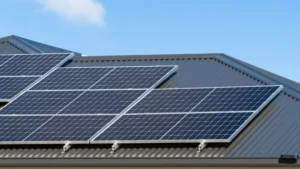
If you're already thinking about solar, it's worth mentioning too. Pairing an EV charger with solar can change how and when you'd want to charge. It's easier to plan for that upfront than to retrofit later.
Frequently Asked Questions
Do all electric cars in Australia use a Type 2 charger?
Almost all EVs sold in Australia use a Type 2 connector for home AC charging. It's worth double-checking your specific model, but Type 2 is the standard for EV charger installation at home.
Can my existing switchboard handle an EV charger?
It depends on your home's current setup and spare capacity. Some switchboards can take a dedicated EV circuit straightaway. Others need an upgrade first. We check this as part of every EV charger installation quote.
Do I need a dedicated circuit for my EV charger?
Yes. A compliant EV charger installation needs its own dedicated circuit with RCD safety switch protection, rather than sharing a circuit with other appliances.
How much does EV charger installation cost?
It depends on your switchboard, cable run, and whether any upgrade work is needed. Contact our office and we'll talk you through what your home would need.
Thinking about EV charger installation for your home? Read more on home EV charging in Rockingham, or get in touch with the COYCO team, your local energy efficiency experts in Rockingham, Erskine and the southern suburbs. We'll check what your switchboard can handle.