How to Choose a Solar Installer in Perth (Without Getting Burned)
Solar quotes are easy to come by in Perth right now. Everyone's got a system, a package, a deal. What's harder to find out, until something goes wrong, is who's actually going to be on your roof. If you're still weighing up whether solar is worth it for your WA home, that question comes first, but once you've decided yes, who installs it matters just as much as what you install.
It's one of the biggest gaps between solar companies in Perth: some run everything in-house, others sell the job then hand it to a subcontractor you've never met. Both can end with a working system. Only one gives you a single team to call if something needs adjusting down the track.
What to Ask Before You Sign Anything
A few honest questions can save you a lot of hassle later:
- Who is actually installing the system, in-house staff or a subcontractor?
- Is the price fixed, or will it change once someone's on site?
- What happens if a panel or inverter needs attention in year three?
- Are the installers licensed, SAA-accredited, and police-cleared?
If a company can't give you a straight answer on any of these, that's worth noting.
Why Accreditation Affects Your Rebate, Not Just the Install
Most Perth homeowners know solar rebates exist, but fewer know they hinge on who does the installing. To claim Small-scale Technology Certificates, the upfront discount built into most solar quotes, your system has to be installed by an installer accredited with Solar Accreditation Australia (SAA), the body that took over solar installer accreditation from the Clean Energy Council in 2024. It's a detail that rarely comes up in the sales conversation, but it's worth confirming directly rather than assuming every quote includes it. Panels and inverters still need to be on the Clean Energy Council's separate list of approved products, so both checks matter.
It also affects your options later. An accredited in-house installer can service, adjust, or expand your system down the track without you needing to find someone new who's willing to touch another company's work.
Why It Matters Who's on the Roof
Solar systems aren't a set-and-forget purchase. Panels, inverters, and batteries all need the odd check-up, and if something underperforms, you want to know exactly who to call. When the installer and the company you bought from are the same people, that's a five-minute phone call. When they're not, it can turn into a longer back-and-forth between the retailer and whoever they subcontracted the job to.
We've had Rockingham and Kwinana homeowners come to us after exactly that experience, chasing warranty support on a system installed by a company that's since moved on to a different subcontractor entirely. It's also worth checking your expected returns against reality: our guide to WA solar feed-in tariffs explains what you're actually likely to earn back, which is a good sense-check against any sales pitch promising rapid payback.
Two Warranties, Not One
Every solar quote should spell out two separate warranties: the manufacturer's warranty on the panels and inverter, and the installer's workmanship warranty covering the actual install, wiring, and mounting. The first one survives even if the installer disappears. The second one doesn't; if the business that installed your system folds or moves on, that workmanship cover generally goes with it. It's worth asking how long the installer has been trading locally, not just what the paperwork promises.
Salt Air, Roof Mounts, and Why Local Experience Counts
Coastal suburbs like Safety Bay, Secret Harbour, and Rockingham itself put extra strain on roof mounting hardware and cabling. Installers who work these suburbs regularly know to use corrosion-resistant fixings and to route cabling away from prevailing salt air exposure. It's a small spec-sheet difference that shows up as a maintenance issue five years down the track if it's overlooked.
Red Flags Worth Watching For
Beyond the in-house question, a few other signs are worth paying attention to: pressure to sign on the day, pricing that's only valid "today," and vague answers about panel or inverter brands. None of these guarantee a bad outcome on their own, but together they're usually a sign to slow down and get a second quote.
How COYCO Does It Differently
Every COYCO solar installation is carried out by our own licensed, SAA-accredited, police-cleared team, not passed off to a third party. The same people who quote the job are the ones who install it, and the ones you'll speak to if you ever need a hand afterwards. Pricing is confirmed upfront, so there's no surprise call-out fee waiting at the end.
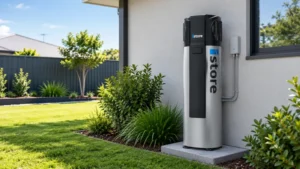
We work with proven panel and battery brands, including Risen Energy, Jinkosolar, and TrinaSolar, and we're an iStore Preferred Partner for battery storage and heat pump hot water systems.
Frequently Asked Questions
How do I know if a solar installer is properly accredited in WA?
Ask for their Solar Accreditation Australia (SAA) number and check it directly on the SAA website. SAA took over solar installer accreditation from the Clean Energy Council in 2024, and installers must also hold a current WA electrical licence.
Does it matter if my panels are Clean Energy Council approved even if the installer is SAA-accredited?
Yes, both checks matter for different reasons. Panels and inverters still need to be on the Clean Energy Council's approved products list to qualify for the rebate, while the installer needs current SAA accreditation and a WA electrical licence.
What's the difference between a solar retailer and a solar installer?
A retailer sells and quotes the system. An installer physically installs it. Some companies do both in-house, others subcontract the install, so it's worth asking directly which applies before you sign.
How long should a solar installer's workmanship warranty last?
There's no fixed legal minimum, but five to ten years is common among established WA installers. Ask how long the specific company has been trading locally, since the warranty is only as good as the business behind it.
Comparing quotes? Ask us the same questions you'd ask anyone else. Contact the COYCO team for a straightforward, no-commitment quote, or drop into our Rockingham showroom to talk it through.